Blog

  • Social Media eSIM Ads: Hidden Privacy Risks for Travelers

    The allure of cheap travel eSIMs, heavily advertised across social media, is undeniable. Landing in a new country and instantly connecting to the internet without fumbling for SIM cards or fearing roaming charges is the modern travel dream. These services promise convenience and low costs, but beneath this enticing surface lies a crucial trade-off: your privacy and security in exchange for that low price.

    The Appeal: Convenience vs. Transparency

    Many social media ads highlight the clear benefits:

    • Affordability: Travel eSIMs often boast prices significantly lower than traditional roaming.
    • Convenience: Activation is usually just a few taps on your phone.
    • Global Coverage: A single plan can offer data across multiple countries.

    However, the business model often hinges on a lack of transparency. The mechanism that enables this real convenience is precisely where the danger lies, and it starts with understanding who you are actually buying from.

    The Hidden Danger: Resellers, Routing, and Your Data

    Resellers vs. Carriers

    Most eSIM brands advertised on social media are not mobile carriers. They are resellers. They buy data wholesale from actual mobile network operators (often in different countries) and resell it to you. This creates an opaque chain of data handling: the company you pay is often not the company managing your data traffic. This makes it difficult to know whose privacy policy applies, what legal jurisdiction your data falls under, and who is ultimately accountable for its security.

    What They Can Actually See: Metadata vs. Content

    It’s a common misconception that since most web traffic is now encrypted with HTTPS, your data is completely safe. While HTTPS does protect the content of your communications (the body of your emails, your passwords, the article you’re reading), it does not hide the metadata.

    Without a trusted VPN, your eSIM provider (and the underlying carrier) can still see:

    • DNS Requests: Every website domain you attempt to visit (e.g., mybank.com, webmd.com).
    • SNI Data: The specific server name you are connecting to, which often mirrors the domain.
    • IP Addresses: The IP addresses of the servers you connect to.
    • Connection Timing & Volume: When you are online, for how long, and how much data you are sending and receiving.

    This metadata provides a detailed blueprint of your entire digital life, even if the content is scrambled. It reveals your interests, habits, financial activities, and health concerns—all of which can be logged, analyzed, or sold.

    How to Vet an eSIM Provider

    Blindly trusting a social media ad is a gamble. Before purchasing, consider providers that offer clear and verifiable information. Here’s a checklist of signals to look for:

    • Carrier-of-Record Disclosure: Do they clearly state which underlying mobile network(s) they use in each country?
    • Privacy Policy Clarity: Is their privacy policy easy to find, read, and understand? Does it explicitly state what data they log and for how long?
    • Data Residency: Do they specify where your data is processed and under which country’s jurisdiction?
    • Refund Policy: Is there a clear and fair refund policy if the service doesn’t work?
    • Support Availability: Do they offer accessible and responsive customer support, or just a vague FAQ?
    • Independent Reviews: Look for reviews on sites other than their own. Are they generally positive? Do they seem authentic?

    The Ultimate Safeguard: Using a Trusted, Independent VPN

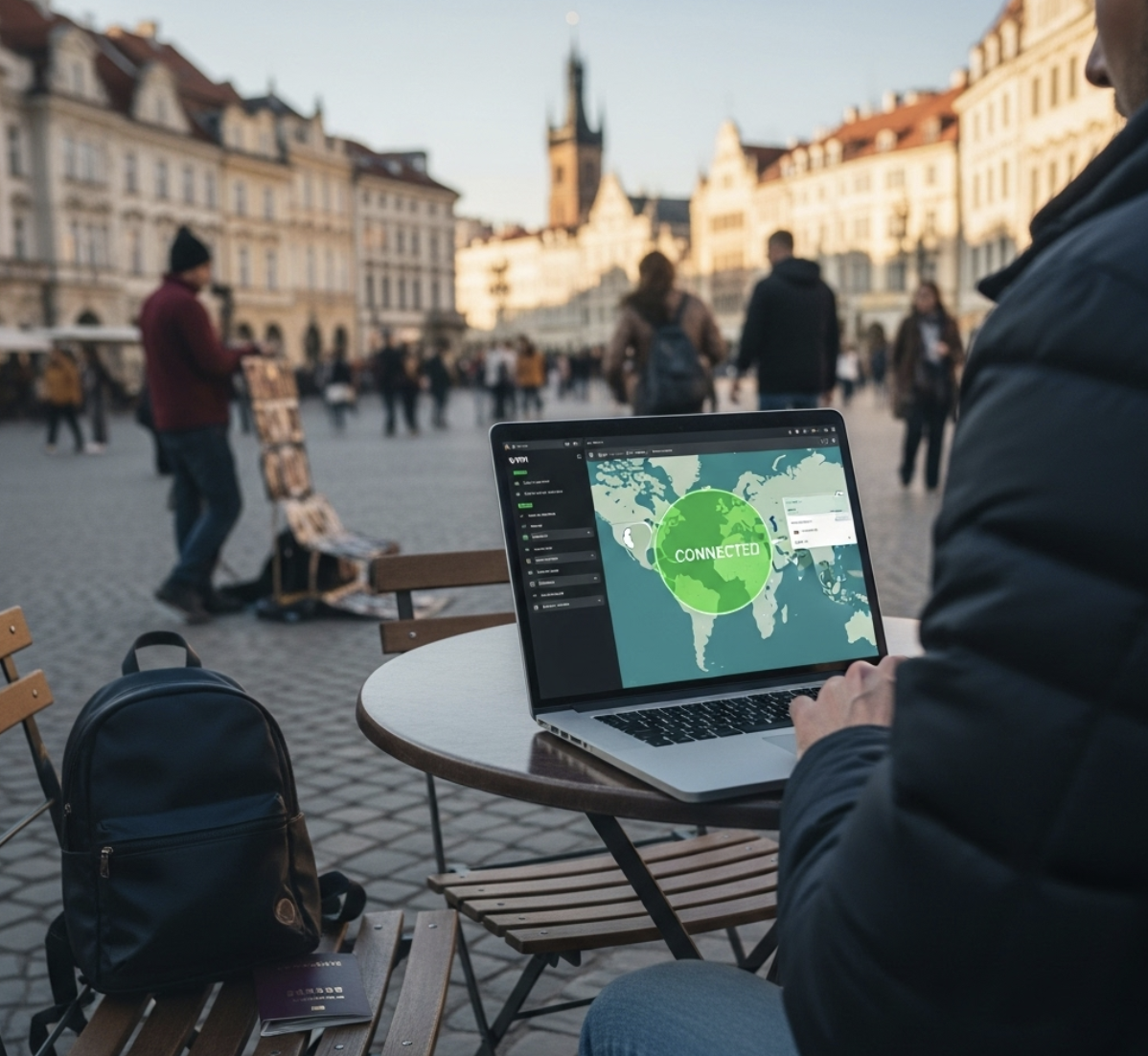
    If you must use an eSIM from a provider you don’t fully trust, or if you simply wish to ensure your privacy, an effective option is to use a reputable Virtual Private Network (VPN).

    A VPN encrypts your traffic and obscures most metadata from the eSIM provider and local carrier. This reduces their ability to profile your activities. For this to work, the VPN must be from a trusted, independent company.

    Consider providers like NordVPN or ProtonVPN. These services have strong, audited no-logs policies, robust encryption, and a proven track record of protecting user privacy.

    The False Promise: eSIM Provider VPNs

    Some eSIM resellers might offer their own “VPN service.” This can provide a false sense of security. If the same company controls both your network access (the eSIM) and the VPN, they still have visibility into your traffic. A VPN is only a trustworthy safeguard if it’s operated by an independent third party.

    Conclusion

    While travel eSIMs offer genuine convenience, the rise of opaque resellers on social media platforms creates a new frontier for privacy risks. Be a skeptical consumer. Scrutinize providers and understand that a cheap price often comes at the cost of your data’s transparency. If you choose to use any eSIM from a less-familiar source, protecting your connection with a reputable, independent VPN is a crucial security measure.


    Disclosure: Some links on this page are affiliate links. If you purchase through them, we may earn a commission at no extra cost to you. This does not affect our evaluations.

  • NordVPN vs ProtonVPN (2026 Comparison)


    NordVPN vs ProtonVPN (2026 Comparison)

    NordVPN vs ProtonVPN (2026 Comparison)

    Both NordVPN and ProtonVPN are serious providers with real engineering behind them, not just marketing. They solve slightly different problems and are not interchangeable. This comparison focuses on practical trade‑offs for real use in 2026.

    Short Answer

    • Choose NordVPN if you want the most practical all‑round VPN for expat life, travel, and streaming.
    • Choose ProtonVPN if your priority is jurisdiction, privacy posture, and security philosophy, even if that means less aggressive streaming support.

    View NordVPN Plans  |  View ProtonVPN Plans

    At a Glance

    Criteria NordVPN ProtonVPN
    Jurisdiction Panama (outside EU/US alliances) Switzerland (strong privacy laws)
    Streaming Support Strong, with many streaming‑optimized servers Secondary priority; some platforms work, others less reliable
    Privacy Focus Good, with audits and no‑logs claims Very strong, part of broader privacy ecosystem
    Best Use Case Expats, streaming, travel, general use Privacy‑conscious users, activists, journalists, security‑focused expats

    1. Jurisdiction & Privacy Model

    Both providers operate from privacy‑friendly jurisdictions, but with different profiles:

    • NordVPN: Based in Panama. Not subject to EU or US data retention laws. No‑logs policy has been externally audited multiple times.
    • ProtonVPN: Based in Switzerland. Strong constitutional protections for privacy. Integrated with Proton Mail and Proton ecosystem, which targets users who explicitly care about privacy.

    If jurisdiction is your top concern, ProtonVPN has a slight edge due to Switzerland’s legal framework and its alignment with other privacy products.

    2. Streaming and Everyday Usability

    This is where the providers diverge:

    • NordVPN: Focuses heavily on streaming access and unblocking content. Many servers are tuned for streaming. This makes it more suitable for expats who care about watching TV, sports, and home content from abroad.
    • ProtonVPN: Treats streaming as a secondary feature. Some services work fine, others can be inconsistent, and you may need more manual trial‑and‑error with servers.

    If streaming reliability is important to you, NordVPN is objectively the safer choice.

    3. Speed and Performance

    On a typical European fiber connection:

    • NordVPN usually feels faster, particularly on distant servers used for streaming.
    • ProtonVPN is perfectly usable but may feel slightly less aggressive in optimizing every route for speed.

    Both are fine for normal browsing and work. For heavy streaming and gaming across borders, NordVPN wins on performance.

    4. Security Features

    Both providers support modern encryption and secure protocols, but they package them differently:

    • NordVPN: Offers features like Double VPN, Threat Protection (blocking trackers/malware), and Meshnet for device‑to‑device networking.
    • ProtonVPN: Offers Secure Core routing (through hardened locations), Tor over VPN, and tighter integration with other Proton services.

    From a practical standpoint, both are secure enough for typical expats and remote workers. If you specifically want Tor integration and Secure Core, ProtonVPN is more attractive.

    5. Pricing and Value

    Pricing changes over time, but the pattern is usually:

    • NordVPN: Often runs aggressive long‑term deals, making multi‑year plans relatively cheap if you are willing to commit.
    • ProtonVPN: Price reflects the privacy‑centric positioning; not the cheapest, but aligned with the rest of the Proton ecosystem.

    If you mainly want value for money in terms of speed + features + streaming, NordVPN usually wins. If you view the VPN as part of a broader privacy stack, ProtonVPN may justify its price.

    Recommendation by Use Case

    • Streaming & expat life: Choose NordVPN.
    • Privacy‑first, including Proton ecosystem: Choose ProtonVPN.
    • “One VPN for everything” with minimal friction: NordVPN is easier to recommend.

    FAQ

    Can I use both providers?

    Yes. Some users run NordVPN for streaming and ProtonVPN for more sensitive browsing or specific tasks. It is not necessary, but if you can afford it, it is a reasonable split.

    Is switching providers difficult?

    No. Both have straightforward apps. Cancelling one and moving to the other is mostly a billing decision, not a technical challenge.

    Final Decision

    There is no “one right” answer for everyone, but if you want a simple rule:

    • If you care about streaming, travel, and convenience: NordVPN is the better fit.
    • If you care primarily about privacy, jurisdiction, and using Proton’s ecosystem: ProtonVPN is more aligned with your priorities.

    Disclosure

    Disclosure: Some links on this page are affiliate links. If you purchase through them, we may earn a commission at no extra cost to you. This does not affect our evaluations.


  • Best VPN for Streaming TV Abroad (2026)


    Best VPN for Streaming TV Abroad (2026)

    Best VPN for Streaming TV Abroad (2026)

    If you live or travel outside your home country, streaming platforms quickly become annoying: shows are missing, sports are blocked, and some services will not even load. A good VPN can often fix this, but not all VPNs are equal for streaming.

    This guide focuses on two providers that are realistically usable for streaming in 2026: NordVPN and ProtonVPN. Others exist, but these two cover most real-world use cases.

    What a VPN Can and Cannot Do for Streaming

    • ✅ Change your apparent location so you can access your home region library.
    • ✅ Encrypt traffic so your ISP cannot easily see what service you use.
    • ❌ Cannot guarantee that every platform will work 100% of the time.
    • ❌ Cannot fix slow home internet or overloaded Wi‑Fi.

    Quick Comparison for 2026

    VPN Streaming Reliability Speed Best For
    NordVPN High, regularly refreshed streaming servers Fast on typical EU fiber Expats who care about streaming first
    ProtonVPN Moderate, some services work, others less reliable Good, especially in Europe Users who value privacy but still want streaming when it works

    1. NordVPN — Best Overall for Streaming

    NordVPN is the pragmatic choice if your priority is access to streaming libraries in multiple countries. It has streaming‑optimized servers and tends to restore access relatively quickly when platforms blacklist IP ranges.

    Where NordVPN Works Well (as of late 2025 / entering 2026)

    • Netflix libraries in several countries (US, UK, EU).
    • Many national broadcasters and on‑demand services.
    • Sports streaming platforms that restrict by country.

    Strengths

    • Large server network, including many streaming‑optimized nodes.
    • Fast and stable on typical European fiber connections.
    • Apps are available on smart TVs, phones, laptops, and some routers.

    Limitations

    • No VPN can guarantee 100% streaming access forever; sometimes specific services break until NordVPN adjusts.
    • Occasional need to switch servers when a streaming service blocks a specific IP range.

    Get NordVPN for Streaming TV Abroad

    2. ProtonVPN — Privacy‑First Option That Can Still Stream

    ProtonVPN is built for privacy and security first, but it can still work fine for some streaming scenarios, especially in Europe. If you care more about jurisdiction and privacy than unblocking every single platform, it is a sensible choice.

    Strengths

    • Swiss jurisdiction and strong privacy posture.
    • Good performance on many EU servers.
    • Clear, transparent communication about limitations and capabilities.

    Limitations

    • Not as aggressive as NordVPN in chasing every streaming platform.
    • You may need to experiment with different servers to find one that works for your platform.

    View ProtonVPN Plans for Streaming

    How to Use a VPN for Streaming Without Losing Your Mind

    1. Choose a provider (NordVPN if streaming is your top priority; ProtonVPN if privacy comes first).
    2. Install the app on the device you actually use for streaming.
    3. Connect to a server in the country whose library you want (for example, US for US Netflix).
    4. If a service does not work, switch to a different server in the same country and try again.
    5. Accept that sometimes a platform will simply not work for a while until the provider finds a workaround.

    FAQ

    Will a VPN get my account banned?

    Most streaming platforms discourage VPN usage in their terms, but bans for individual users are rare. The more common outcome is that a particular server simply stops working until the VPN provider adjusts.

    Is a “free VPN” enough for streaming?

    Usually not. Free VPNs tend to be too slow, unstable, or blocked outright. They also often come with questionable privacy practices.

    Final Recommendation

    • If you mainly care about watching TV from home while living abroad, choose NordVPN.
    • If streaming is nice to have but you care more about jurisdiction and privacy, choose ProtonVPN.

    Disclosure

    Disclosure: Some links on this page are affiliate links. If you purchase through them, we may earn a commission at no extra cost to you. This does not affect our evaluations.


  • Best VPN for Expats & Remote Workers (2026 Guide)


    Best VPN for Expats & Remote Workers (2026 Guide)

    Best VPN for Expats & Remote Workers (2026 Guide)

    Updated for 2026. If you live or work outside your home country, a reliable VPN is one of the few tools that solves several real problems at once: access to banking, streaming from home, and basic privacy on untrusted networks.

    This guide focuses on two providers that are realistic choices for most expats and remote workers: NordVPN and ProtonVPN. Both are established, audited, and technically competent. They simply prioritize different things.

    Why Expats and Remote Workers Need a VPN

    • Foreign banks and government portals may block or challenge logins from “unusual” locations.
    • Streaming services change their libraries or block content based on where you appear to be located.
    • Public Wi‑Fi in cafés, airports, co‑working spaces, and hotels is easy to monitor or attack.
    • Local ISPs can log and analyze your traffic unless you encrypt it.

    A VPN encrypts your connection and lets you appear online from your home country (or any other region), which helps with banking, streaming, and basic network privacy.

    How This Comparison Works

    This is not a “top 10 VPNs” list. The focus is on realistic scenarios for people living abroad:

    • Can you reliably log in to your home bank and online services?
    • Does streaming actually work in practice, not just on marketing pages?
    • Is the provider transparent about privacy and jurisdiction?
    • Is performance good enough on typical fiber or 4G/5G connections?

    Quick Summary: Best Choices for 2026

    VPN Best For Jurisdiction My Verdict
    NordVPN Balanced option: banking + streaming + speed Panama (no mandatory data retention) Best overall choice for most expats & remote workers
    ProtonVPN Maximum privacy and strong security defaults Switzerland (strong privacy laws) Best if privacy matters more than streaming convenience

    1. NordVPN — Best Overall for Expats & Remote Workers

    NordVPN is the practical choice if you want one provider that usually “just works” for daily life abroad: logging into banks back home, watching streaming libraries from other countries, and securing connections on public Wi‑Fi.

    Strengths

    • Large server network with many locations in the US, UK, EU, and other regions.
    • Consistently good speeds on modern home and mobile connections.
    • Works with many popular streaming platforms at the time of writing.
    • Based in Panama, with a public no‑logs policy and external audits.

    Limitations

    • Apps expose many features; non‑technical users may feel overwhelmed initially.
    • Streaming access can still break occasionally until NordVPN rotates or adjusts servers.

    Recommended if: you want one VPN for everything: banking, streaming, travel, and everyday browsing as an expat or remote worker.

    Get NordVPN for Expats & Remote Workers in 2026

    2. ProtonVPN — Best for Privacy-Focused People Abroad

    ProtonVPN is built by the team behind Proton Mail and focuses heavily on privacy and security. It is based in Switzerland, outside both EU and US jurisdiction, with strong privacy protections.

    Strengths

    • Swiss jurisdiction with strict privacy laws.
    • Strong technical features: Secure Core routing, strong encryption defaults, good protocol choices.
    • Good transparency reports and clear security posture.

    Limitations

    • Not as reliable as NordVPN for unblocking every streaming service in every region.
    • Free tier exists, but serious expat/remote work use requires a paid plan for speed and locations.

    Recommended if: your main concern is privacy and secure networking, and streaming is secondary or you are willing to accept some friction.

    View ProtonVPN Plans

    Which VPN Should You Choose?

    • If you care about streaming + banking + overall convenience: pick NordVPN.
    • If you care more about privacy, jurisdiction, and technical security: pick ProtonVPN.
    • Both are safer and more realistic than relying on random free VPNs from app stores.

    How to Use a VPN While Living or Working Abroad

    1. Install the VPN app on your phone and laptop.
    2. When logging into your bank or home streaming service, select a server in your home country.
    3. When using public Wi‑Fi in cafés, airports, hotels, or co‑working spaces, connect to any nearby server (your current country or a close region) for speed + encryption.
    4. Keep the kill switch enabled to avoid leaking traffic if the VPN disconnects unexpectedly.

    Common Questions

    Is using a VPN legal?

    In most countries, using a VPN for privacy, security, or streaming is legal. Illegal activity remains illegal with or without a VPN. Always check local laws if you live in a restrictive jurisdiction.

    Will a VPN solve all privacy problems?

    No. A VPN hides your IP from the services you visit and from your local network/ISP, but it does not fix weak passwords, bad device security, or risky behavior. Treat it as one layer in your setup, not a complete solution.

    Final Recommendation

    If you want a simple answer:

    • Choose NordVPN if you want a balanced option for everyday expat or remote work life.
    • Choose ProtonVPN if your priority is jurisdiction and privacy first.

    Disclosure

    Disclosure: Some links on this page are affiliate links. If you purchase through them, we may earn a commission at no extra cost to you. This does not affect our evaluations.


  • Public Wi-Fi VPN Pros (and the Limits): A 2025 Reality Check

    Public Wi-Fi VPN Pros (and the Limits): A 2025 Reality Check

    You’re at a coffee shop, airport, or hotel, and you connect to the free Wi-Fi. It’s convenient, but it’s also a shared, open network. This means your data is more exposed than most people assume. A VPN can reduce some risks, but it does not make a risky network “safe.”

    This guide applies to any device you connect to public Wi-Fi: mobile phone, tablet, laptop, game console (like a Nintendo Switch), or any other device that goes online.

    The Dangers of “Free” Wi-Fi

    On an unsecured public network, malicious actors don’t need to hack your device directly. They can exploit the network itself.

    • Eavesdropping: An attacker on the same network can easily monitor your unencrypted traffic, seeing which websites you visit and what data you send.
    • “Evil Twin” Hotspots: A common attack involves creating a fake Wi-Fi hotspot with a legitimate-sounding name (e.g., “Airport Free Wi-Fi”). If you connect, all your traffic passes through the attacker’s device.
    • Data Manipulation: Attackers can alter the content of unencrypted websites as they travel to your device, injecting malware, ads, or fake login forms.
    • DNS Hijacking: Your browser’s requests to find websites (DNS queries) can be intercepted, redirecting you from a real banking site to a convincing fake one.

    How a VPN Protects You (The Pros)

    A VPN creates an encrypted “tunnel” from your device to a remote server. This fundamentally changes the security model of a public network.

    • Stops Local Eavesdropping: Because your traffic is encrypted, other users on the Wi-Fi network (and the network operator) can see that you’re connected, but they can’t see the contents of your data.
    • Prevents DNS Hijacking and Manipulation: Since your DNS queries and web traffic are inside the encrypted tunnel, the malicious hotspot operator cannot easily redirect or alter them.
    • Hides Your Browsing Activity: To the local network, it just looks like you’re sending a single stream of encrypted data to one server (the VPN server). The specific sites you’re visiting are hidden.

    The Limits of a VPN (The Cons)

    Key Takeaway: A VPN secures the connection, not the destination.

    It’s crucial to understand what a VPN does not do:

    • It does not make unsafe websites safe. If you visit a malicious website or download a virus, the VPN won’t stop it.
    • It does not prevent phishing. If you are tricked into entering your credentials on a fake site, a VPN offers no protection.
    • It is not a substitute for core security practices. You still need to use HTTPS, have strong passwords, and keep your software updated.

    Ultimately, a personal hotspot from your mobile phone is always a safer alternative to public Wi-Fi.

    Choosing a VPN for Public Wi-Fi

    When your main goal is securing your connection on the go, prioritize providers with these features:

    • Modern Protocols: WireGuard is the current industry standard, offering a blend of speed and security.
    • A “Kill Switch”: This essential feature blocks all internet traffic if your VPN connection unexpectedly drops, preventing your data from “leaking” onto the public network.
    • Audited No-Logs Policy: The provider should have a transparent privacy policy that has been verified by independent security auditors.

    For a reliable starting point that meets these criteria, NordVPN is a solid choice for most users. However, you should always compare its policies and performance against your specific needs.

    Your Public Wi-Fi Safety Checklist

    Before and during your connection, follow these steps:

    • Turn off auto-join for open Wi-Fi networks in your device settings.
    • Verify the network name with an employee before connecting.
    • Ensure your OS and browser are fully updated to patch security holes.
    • Enable “HTTPS-Only” mode in your browser settings.
    • Avoid sensitive activities like online banking or entering passwords whenever possible.

    The Bottom Line

    A VPN is one of the most practical defenses against the most common threats on public Wi-Fi. It addresses the critical layer of local network security. However, it is not a complete solution. Use it as a fundamental part of your security routine, not as a replacement for it.

    Disclosure: Some links on this page are affiliate links. If you purchase through them, we may earn a commission at no extra cost to you. This does not affect our evaluations.

  • Major VPN Providers: Strengths and Weaknesses

    Several VPN providers dominate the consumer market; all claim to offer privacy and security, but their track records and policies differ.

    NordVPN offers a large server network, double-hop features, and independent audits of its no logs policy. It suffered a server breach in 2018, which the company disclosed after a delay. The incident raises questions about transparency and security practices. Pricing is mid‑range and features like dedicated IP cost extra.

    Surfshark is a budget-friendly option with unlimited device connections and features like CleanWeb ad blocking. It recently merged with NordVPN under the Nord Security umbrella, which may reduce competition. The company is registered in the Netherlands, a member of the Nine Eyes intelligence‑sharing alliance, and its no‟logs claims have not been independently audited as often.

    ProtonVPN is developed by the makers of ProtonMail and offers a free tier, open‑source clients, and strong transparency reports. It is based in Switzerland, outside EU and US jurisdiction, which offers strong privacy laws. Its server network is smaller than the above providers, and speeds can fluctuate, especially on free servers. Pricing for premium tiers is higher.

    Mullvad is a privacy-focused provider that allows anonymous cash payments, does not require an email address, and has undergone independent security audits. It uses WireGuard as default protocol. However, its server network is smaller, lacks some convenience features (streaming support, dedicated apps for all platforms), and pricing is fixed without discounts.

    Choosing a VPN should involve reviewing these factors, reading independent audits, considering jurisdiction, and understanding your threat model. No provider is perfect; treat marketing claims skeptically and avoid free VPNs that monetise user data.

    Disclosure: Some links on this page are affiliate links. If you purchase through them, we may earn a commission at no extra cost to you. This does not affect our evaluations.

  • VPN Basics: What They Do and Where They Fall Short

    Virtual Private Networks (VPNs) encrypt your traffic and route it through a remote server, masking your IP and making it harder for eavesdroppers to see what you’re doing. They’re useful on untrusted networks and for bypassing geographic blocks, but they’re not a silver bullet.

    Many VPN marketing claims are misleading. “Military‑grade encryption” is just AES‑256—a standard cipher used everywhere. A VPN can’t fix poor website security, stop malware, or make you anonymous if you’re logging into personal accounts. Free VPNs often monetise your data or inject ads.

    Understanding protocols helps you choose wisely: OpenVPN and WireGuard are open‑source and audited; PPTP is obsolete and insecure; IKEv2 is fast but less flexible. Look for providers such as NordVPN that support modern protocols and have been independently audited.

    Finally, remember that a VPN shifts trust from your ISP to the VPN provider. If the provider keeps logs, they can identify you. Always read the privacy policy and prefer services with a proven no‑logs record.

    Disclosure: Some links on this page are affiliate links. If you purchase through them, we may earn a commission at no extra cost to you. This does not affect our evaluations.

  • Online Privacy Essentials: Best Practices and Common Missteps

    Most people underestimate how much of their digital footprint is collected and traded. Governments, advertisers, ISPs, and data brokers all have incentives to track you. Pretending privacy is just ‘use incognito mode’ is naive.

    Weak guidance like ‘just change your social media settings’ ignores structural surveillance. You need to minimise data generation, not just tweak settings. Use privacy-respecting services, limit data sharing, and practice good security hygiene.

    Concrete steps:

    • Use unique passwords with a reputable password manager; reusing passwords is a security disaster.
    • Enable multi-factor authentication on every account that supports it; this prevents most account takeover attempts.
    • Prefer browsers and search engines with strong privacy policies (e.g., Firefox with hardened settings, or Brave) instead of mainstream options that monetise your data.
    • Regularly review the permissions of your mobile apps; uninstall or disable apps that collect unnecessary data.

    Remember that no single product solves privacy. Staying informed and reducing your digital footprint are superior to any marketing-driven quick fix.

  • Best VPN for Expats in (2025)  – Stay Secure Abroad

    Best VPN for Expats in (2025) – Stay Secure Abroad

    Introduction

    Living abroad as an expat can be exciting, but it also comes with digital challenges. From restricted banking services to geo-blocked streaming platforms, access can be frustrating. That’s where a Virtual Private Network (VPN) becomes a must-have tool. In this guide, we’ll look at the best VPNs for expats in 2025, their features, and how they can make your online life easier and safer.


    Why Expats Need a VPN

    • Access Geo-Restricted Content: Watch Netflix, Hulu, BBC iPlayer, and more from anywhere.
    • Secure Online Banking: Protect your transactions when logging in from abroad.
    • Bypass Censorship: Stay connected to your favorite apps and websites.
    • Privacy Protection: Encrypt your traffic and keep your personal data safe on public Wi-Fi.


    Top VPNs for Expats in 2025

    1. ProtonVPN – Fast & Reliable

    • Servers in 105+ countries
    • Excellent streaming support (Netflix, Disney+, BBC)
    • User-friendly apps for all devices

    2. NordVPN – Strong Security

    • Advanced encryption + Threat Protection
    • Huge global server network
    • Great for both streaming and banking security


    3. Surfshark – Best Value

    • Unlimited devices with one account
    • Affordable pricing plans
    • CleanWeb feature blocks ads & trackers

    How to Choose the Right VPN as an Expat

    When selecting a VPN, consider:

    • Server locations near your home country
    • Connection speed for smooth streaming
    • Device compatibility (phones, laptops, smart TVs)
    • Price and trial options

    Final Thoughts

    If you’re living abroad, a VPN is no longer optional – it’s essential. Whether you want to watch your home country’s TV shows, access online banking safely, or simply keep your browsing private, the right VPN will make your expat life smoother in 2025.

    👉 Pro tip: Try a VPN with a money-back guarantee to see which works best for you before committing long-term.